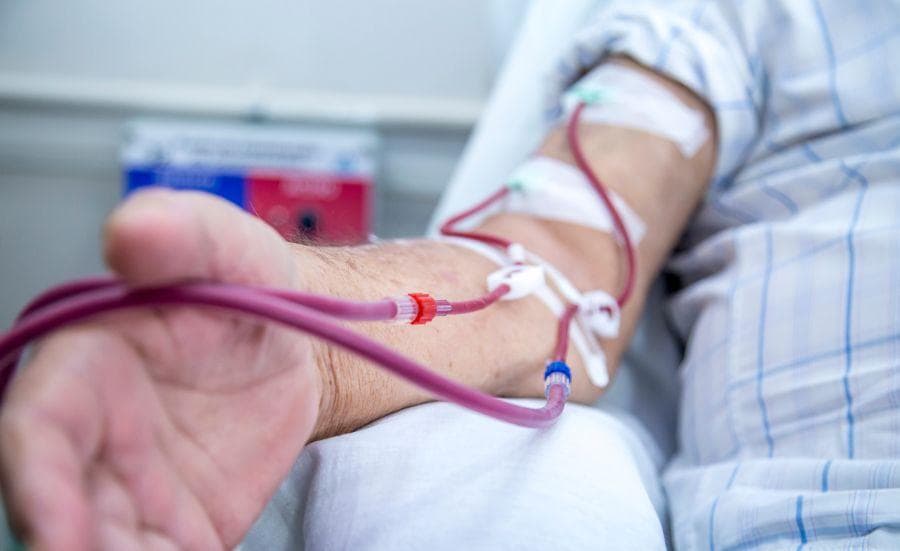
Vascular access complications are one of the primary causes of hospitalization among hemodialysis patients, accounting for up to one billion US dollars in annual healthcare expenditures, according to data from the United States. Taiwan currently has over 90,000 dialysis patients, the highest number in the world, with new cases continuing to rise each year. One of the most challenging issues clinically is the occlusion and stenosis of arteriovenous fistulas (AVFs).
Since 2003, the nephrology team at Taipei Veterans General Hospital (TVGH) has dedicated efforts to far-infrared (FIR) therapy research. Eventually, they established a standardized and institutionalized treatment protocol, reducing vascular access occlusion rate by 64.2 percent and increasing the success rate of vascular access dilation to 87 percent. This protocol has been incorporated into the guidelines of the world's three major nephrology textbooks, becoming a representative international treatment model.
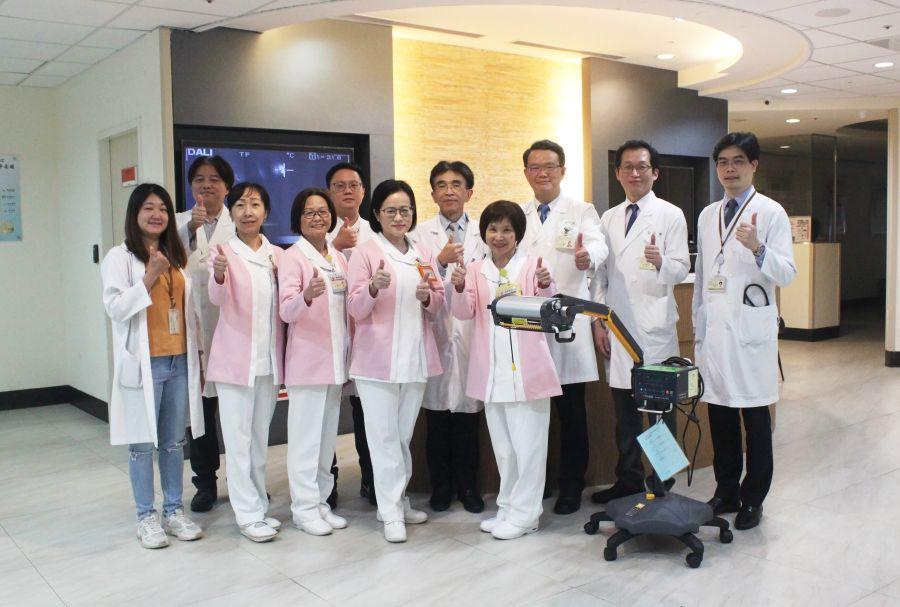
Combining Dialysis with Far-Infrared Therapy Extends Vascular Patency from Three to Six Months
“Sometimes, it really comes down to careful observation, plus a bit of luck.” Chih-Ching Lin of the TVGH Nephrology Department recalls how the innovative application in FIR therapy began. In 2003, as a young attending nephrologist, he was entrusted by the department head to care for a patient with kidney disease. The hemodialysis patient frequently experienced inadequate blood flow in the AVF and had to undergo vascular access procedures in cardiovascular surgery every three months.
Blood flow in a typical dialysis patient makes a medium-pitched “whooshing” sound. On one occasion, right after the patient had the vascular access cleared, there was no sound at all from the fistula. This led Lin to wonder whether the patient’s vascular access might have reached the end of its functional life. Just then, he noticed the patient in the next bed using a FIR therapy device to warm their feet.
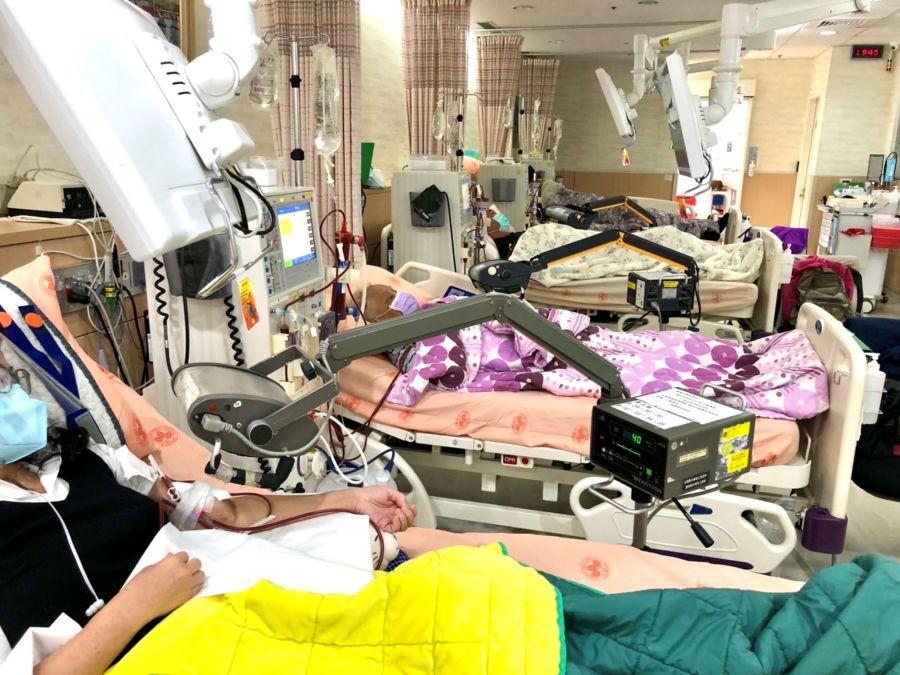
“I asked that patient if we could borrow the device and try it on our patient?” Surprisingly, after 40 minutes of FIR therapy, the sound of blood flow returned. After another 40 minutes, the blood flow remained stable even till the next day. After that, the patient received FIR therapy during each dialysis session, and the interval between AVF unblocking procedures extended from once every three months to once every six months.
Lin’s keen observation of the benefits FIR brought to AVF function led to his study published in 2007 in the Journal of the American Society of Nephrology (JASN), kicking open the exploration into the mechanisms and clinical applications of FIR therapy.
World-Leading AV Fistula Outcomes Cited in Three Major Nephrology Textbooks
This study, published in 2007 in the SCI-indexed Journal of the American Society of Nephrology, was the first in the world to examine the benefits of FIR therapy for dialysis vascular access. It marked a milestone in the clinical care and research of dialysis vascular access and has since been cited over 165 times.
Lin’s research demonstrated that FIR therapy improves AVF patency through both thermal and non-thermal effects. It further confirmed that after one year of FIR treatment, the incidence of AVF dysfunction could be reduced from 30.1 percent to 12.5 percent, and access flow rates could be increased.
Based on these findings, the team developed a standardized treatment protocol. Whether the patient has an autogenous AVF or a synthetic graft, FIR therapy is implemented 2–3 times per week, with each session lasting 40 minutes. Therapy is stopped one hour before the end of dialysis. Blood flow is regularly monitored using vascular ultrasound to ensure adequate circulation.
Since 2019, the FIR therapy has been officially incorporated into the clinical practice guidelines of the European Dialysis and Transplant Association (EDTA) and the Kidney Disease Outcomes Quality Initiative (KDOQI) of the US National Kidney Foundation (NKF). The guidelines recommend that newly created vascular access be administered FIR therapy for three months to accelerate maturation and that existing vascular access be treated long-term with the therapy.
Accumulating nearly two decades of research follow-ups from 2003 to 2021, Lin found that using FIR therapy both before and after hemodialysis reduces the incidence of vascular access occlusion by 64.2 percent. Reconstruction of vascular access dropped drastically by 93.3 percent, and the success rate of vascular access dilation improved up to 2.74 folds to 55.4 percent.
From early-stage fistula maturation to occlusion prevention, TVGH has implemented a comprehensive FIR therapy for vascular access management and integrated it into routine clinical practice. This has contributed to TVGH’s notable outperformance in one-year AVF patency outcomes compared with data from the United States, the Netherlands, and India.
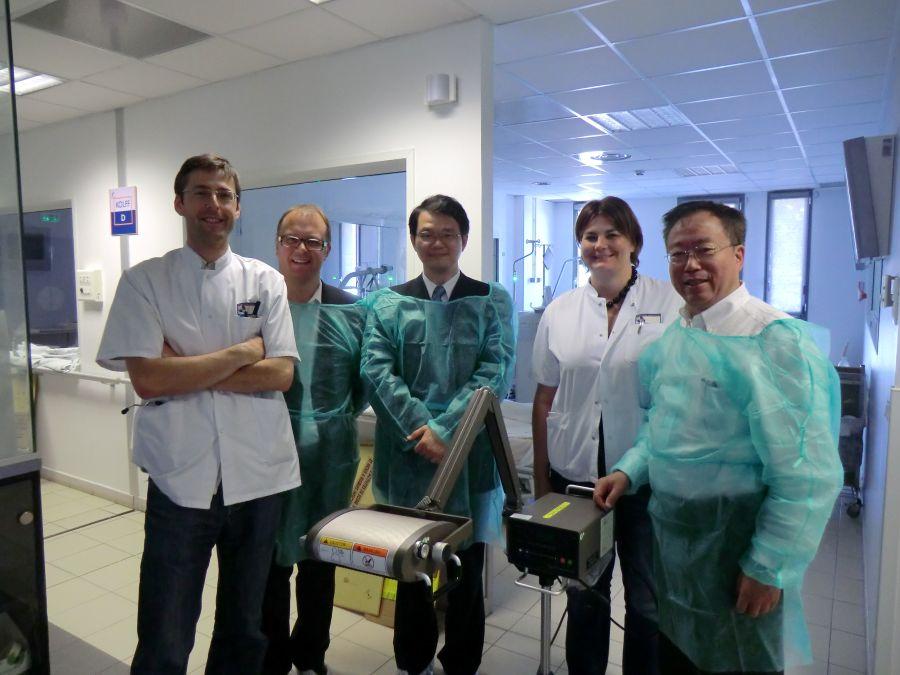
Global Leader in Far-Infrared Vascular Research Unveils Non-Thermal Mechanisms
TVGH remains the world’s most prolific research center in the field of FIR therapy, with 67 SCI-indexed publications, surpassing the Cleveland Clinic (38) in the United States, Monash Medical Centre (32) in Australia, and Toronto General Hospital (31) in Canada. TVGH continues to lead globally, advancing research into the non-thermal biological effects of FIR.
Lin explains that FIR radiation can enhance the synthesis of carbon monoxide (CO) in endothelial cells, which helps maintain cardiovascular patency. CO also exhibits antioxidant properties that inhibit the proliferation of vascular smooth muscle cells (VSMCs), reducing the risk of vascular occlusion. In addition, vascular inflammation is triggered by tumor necrosis factor-alpha (TNF-α), and bilirubin can suppress TNF-α, thus exerting anti-inflammatory effects.
Endothelial cells are beneficial cells but are often suppressed by uremia, leading them to undergo programmed cell death (apoptosis). Lin’s research discovered that FIR irradiation prevents endothelial apoptosis, allowing them to live longer and healthier. “The innermost layer of blood vessels is made up of endothelial cells.
Dialysis patients sometimes need prolonged compression after treatment to stop the bleeding, but too much pressure can cause large blood clots. That’s why the endothelial cells need to be healthy,” said Lin. FIR therapy reduces platelet aggregation on endothelial cells, decreasing thrombus formation.
In 2008, Lin published the five vascular benefits of FIR therapy based on his study in the US, including antioxidation, anti-inflammation, improved endothelial function, inhibited VSMCs proliferation, and anti-apoptotic effects. In 2022, he further published findings that FIR therapy might reduce asymmetric dimethylarginine (ADMA), a known risk factor for vascular occlusion and functional decline.
Far-Infrared Therapy Applied to Peritoneal Dialysis Improves Encapsulating Peritoneal Sclerosis
In addition to its success in hemodialysis vascular access, the nephrology team at TVGH has pioneered the use of FIR therapy to treat peritoneal dialysis (PD)-related complications, particularly the severe and challenging conditions of Encapsulating Peritoneal Sclerosis (EPS).
Lin recalls a case involving a long-term PD patient transferred from another facility who exhibited abdominal distension, hemorrhagic ascites, and signs of inflammation. The patient was eventually converted to hemodialysis and was diagnosed with severe EPS. Standard treatment options at the time included steroids or estrogen-based medication, which carry significant side effects and inconsistent outcomes.
“A neighboring patient was receiving FIR therapy for a fistula, and I thought maybe we could try this on the peritoneum,” said Lin. After one week of FIR irradiation, the patient’s abdominal distension was relieved noticeably, and even showed signs of appetite recovery. This case sparked a new line of clinical trials by the team.
Lin further explained that while PD is convenient, prolonged exposure to high-glucose dialysate can lead to peritoneal fibrosis. This may cause the mesentery to exhibit a “glue-like adhesion,” and in severe cases, patients may be unable to eat and require intravenous nutrition. Dr. Lin pointed out, “Patients with peritoneal sclerosis have a very low survival rate of less than 10 percent. Alleviating through non-drug interventions would represent a major breakthrough in clinical practice.”
Editor’s Note: This article features the Silver Award recipient of the 25th National Biotechnology and Medicine Care Quality Award. All titles and positions mentioned reflect the interviewees’ roles at the time of the interviews.