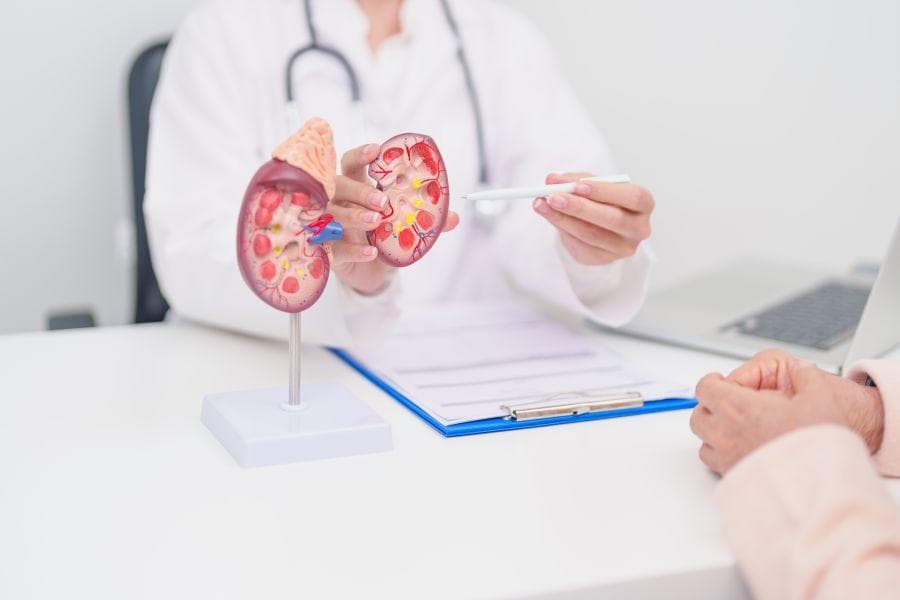
Infectious diseases are currently a critical public health issue. Transmitted between animals and humans, Leptospirosis is a common zoonotic disease that frequently emerges after typhoons and floods in hot and humid tropical and subtropical regions. To address the issue, Linkou Chang Gung Nephrology established Rapid Screening Standards to reduce mortality caused by the infection.
Infected patients experience major symptoms of jaundice, fever, and acute renal failure. In the past, Taiwan lacked diagnostic tools, making it difficult for doctors to identify the cause, which led to the disease being underestimated and ignored.
The Nephrology Department and the Kidney Research Center of Linkou Chang Gung Memorial Hospital collaborated to establish diagnostics and explore the pathogenesis of unexplained kidney disease, eventually promoting their prevention and treatment expertise globally.
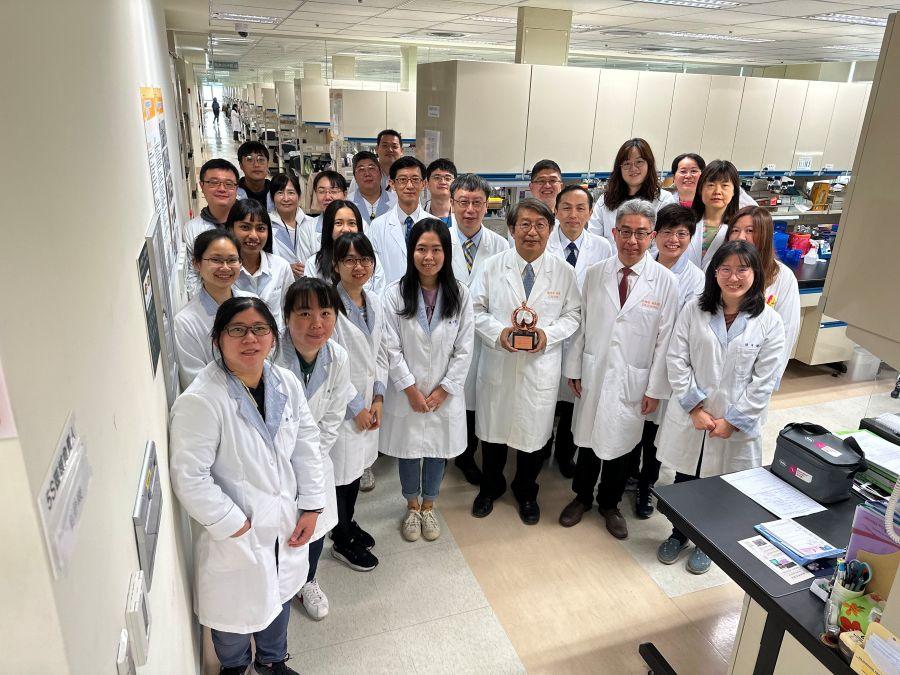
Discovery of Three Clinical Red Flags and Rapid Medication Drastically Reduces Mortality
In 1996, Chang Cheng University Vice President Yang Chih-Wei, a regular attending physician in the Department of Nephrology at Linkou Chang Gung, had just returned from advanced studies abroad when he witnessed two "mysterious" cases in the renal ward.
One patient, a woman in her 60s, suffered from severe jaundice, fever, acute renal failure, and multiple organ failure. Her creatinine levels rose daily, and her symptoms resembled septic shock. However, all cultures for bacteria and viruses returned negative. "We performed every possible test. Imaging, microbiology, and bone marrow exams. But we couldn't find the cause. Despite using the highest-level medications, we couldn't save her," Yang recalled.
This unexplained kidney disease prompted Yang to consider unusual infectious diseases. He contacted Professor Pan Ming-Teng, a zoonotic disease expert at National Taiwan University’s Department of Veterinary Medicine. Through Polymerase Chain Reaction (PCR) testing of post-mortem specimens, the diagnosis was confirmed: Leptospirosis.
Two weeks later, another patient was admitted to the ICU with identical symptoms: jaundice, acute renal failure, multiple organ lesions, respiratory failure, and coma. Drawing from their previous experience, the renal team immediately administered penicillin. Despite the patient initially requiring a ventilator, multiple rounds of dialysis, and suffering from gastric bleeding, they recovered completely and were discharged after two months. Yang said, "It was only then that we realized this disease exists in Taiwan; we simply didn't have the diagnostic tools. It is more common in the animal kingdom, so veterinarians actually knew more about it than human doctors."
After discovering these two cases, Yang submitted his findings to the American Journal of Kidney Diseases, pointing out that Leptospirosis was an overlooked cause of acute renal failure in Taiwan. Published in 1997, the study garnered international attention. Further research led to the discovery of 11 more cases, and the team's subsequent papers began to lift the veil of mystery surrounding Leptospirosis in Taiwan.
Because Leptospirosis is difficult to diagnose and easily confused with other illnesses—and because 90% of cases are mild (presenting like a cold with headache, fever, and muscle aches)—it is often missed by clinicians. However, in the remaining 10% of cases, it can escalate into multiple organ failure, including meningitis, pneumonia, hepatitis, myocarditis, and renal failure, leading to rapid death.
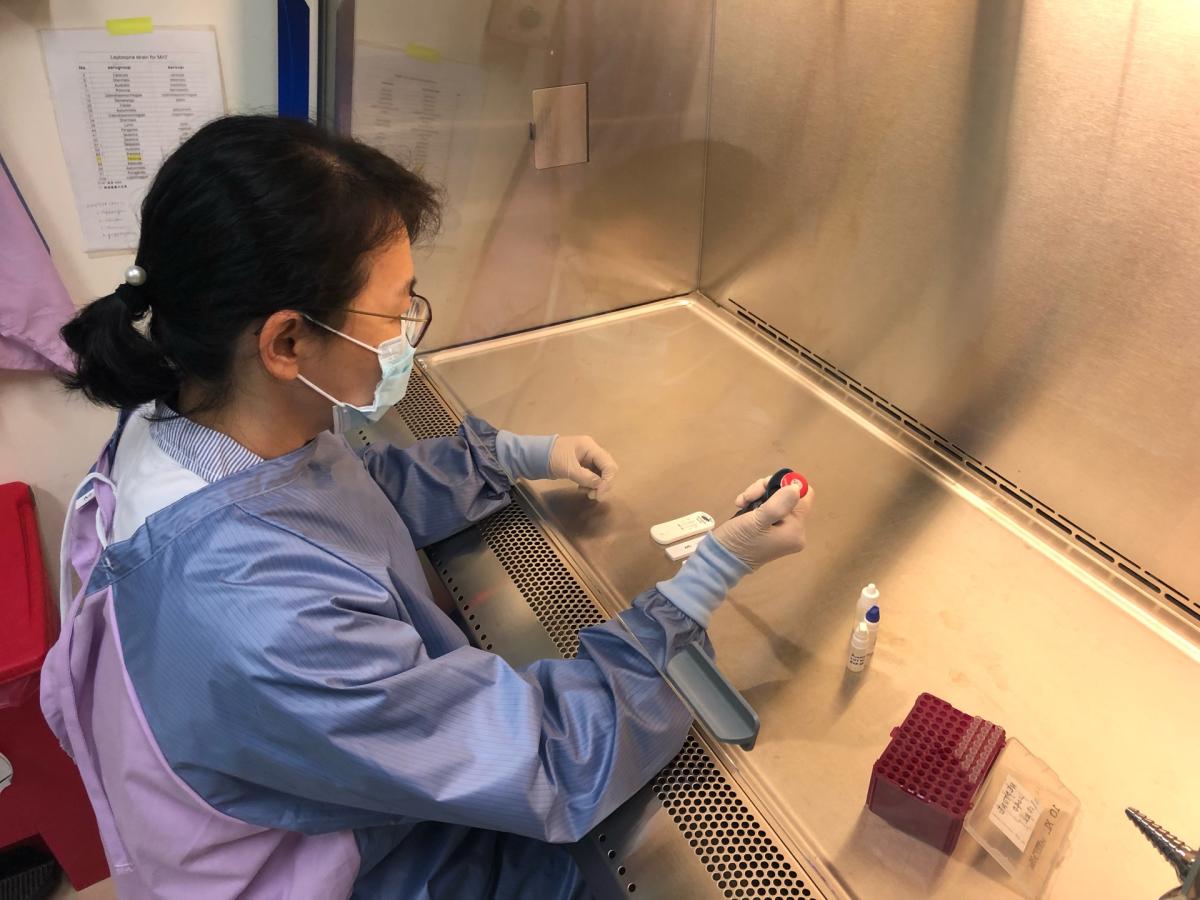
IgM-Based Rapid Serologic Testing Helps Detect Leptospirosis in Unexplained Acute Kidney Injury
Because the disease was poorly understood in Taiwan, there were no efficient screening tools. Testing required sending samples to national laboratories for a Microscopic Agglutination Test (MAT), a time-consuming and inconvenient process.
In 2003, Yang’s team introduced a rapid diagnostic kit from abroad. Similar to a COVID-19 rapid test, it requires only 5 microliters of serum. After adding a buffer solution, results appear in 10 minutes; two lines indicate a positive result. That same year, Linkou Chang Gung established an IgM-based serological rapid screening service for unexplained acute kidney disease. Positive results allow doctors to administer medication early to save lives, though results are still verified with traditional MAT testing.
The team also successfully advocated for the disease to be taken seriously at the government level. In January 2000, the CDC (then the Bureau of Communicable Disease Control) included Leptospirosis in its reporting system, and in 2007, it was classified as a Category 4 Notifiable Infectious Disease. Dr. Yang and Dr. Yang Huang-Yu also assisted the CDC in compiling the clinical guidelines for the disease.
Flood-Related Leptospira Infections May Cause Chronic Kidney Damage Without Symptoms
Often mistaken for a parasite, Leptospira is actually a spirochete bacterium (like syphilis) that thrives in wet, warm environments. Rats and dogs are common carriers. The pathogen lurks in the kidneys of animals and is excreted in urine, contaminating water and soil. Humans are infected through contact with contaminated water or soil via wounds, eyes, or mucous membranes.
Yang’s team led the way in Taiwan by discovering the molecular mechanism by which the Leptospira outer membrane protein causes renal interstitial nephritis and fibrosis. Researcher Ge Yi-Ching explained that the protein LipL32 on the bacteria recognizes and binds to the TLR2 receptor on human renal cells, triggering inflammation and scarring.
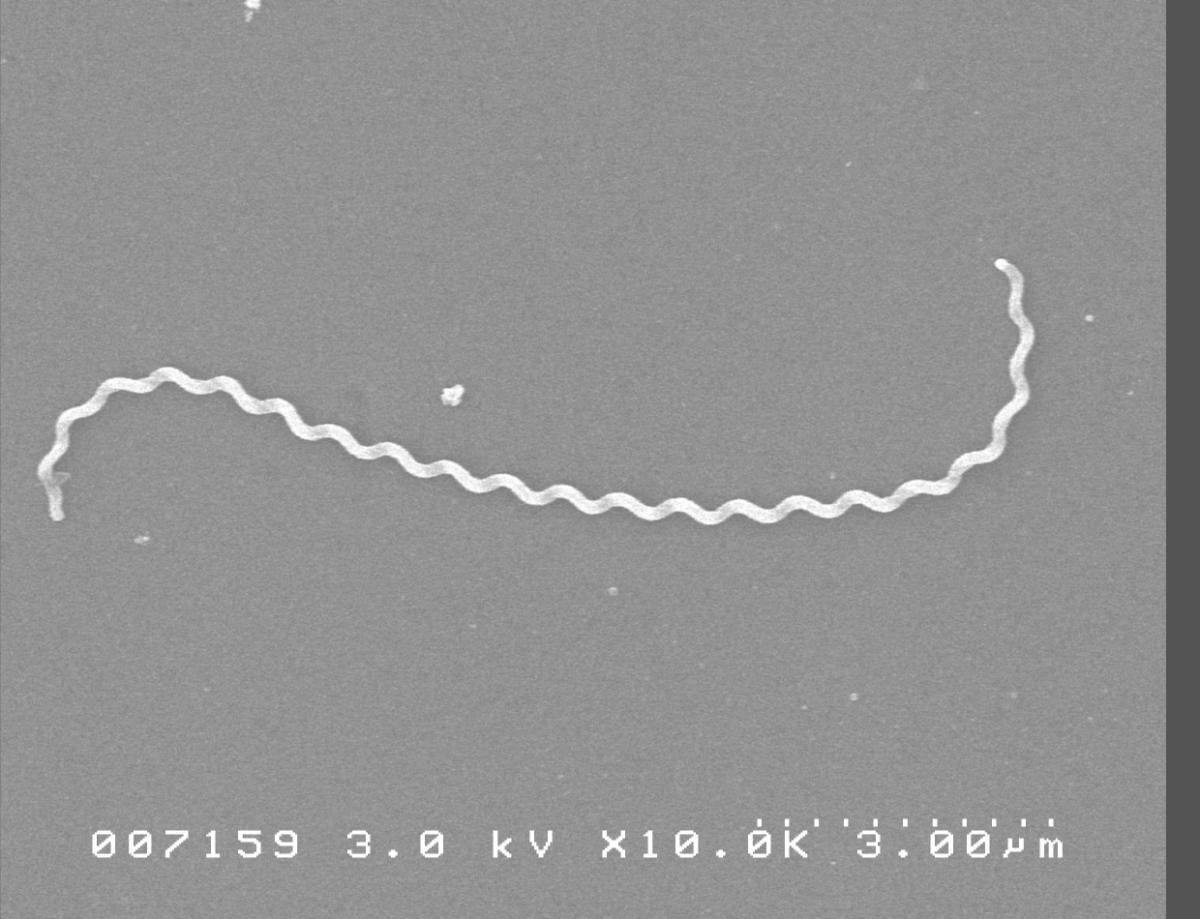
Taiwan’s First Complete Genome Sequencing of a Leptospira Serotype Saves a California Boy
In 2012, researcher Chou Li-Fang published the full genome sequence of Leptospira santarosai serovar Shermani, a common strain in Taiwan. Two years later, this sequence miraculously saved a 14-year-old boy in California. The boy had traveled to Central America and suffered from unexplained fever, headaches, and seizures for four months. Doctors at UCSF finally used Next-Generation Sequencing (NGS) on his cerebrospinal fluid and matched the DNA to the sequence decoded in Taiwan. With a diagnosis of Leptospirosis, he was treated with penicillin and discharged within two weeks.
Confirming Global Hypotheses: From Nicaragua to Sri Lanka
Dr. Yang noticed reports of "unexplained chronic kidney disease" (CKDu) in agricultural "hotspots" like Chichigalpa, Nicaragua, and parts of Sri Lanka. By comparing these maps with Leptospirosis prevalence zones, he found a high degree of overlap. In 2023, his team published research in the journal Nephron confirming that Leptospirosis is a potential underlying factor for these mystery kidney diseases in agricultural regions.
Future Outlook and Protection
Currently, the team is working on developing highly sensitive urine-based tests to detect the bacteria even in trace amounts.
As global temperatures rise and extreme weather events become more frequent, Yang emphasizes that the public must re-familiarize themselves with this underestimated disease. High-risk groups—including veterinarians, farmers, fisherman, slaughterhouse workers, and sewer workers—should wear boots and gloves. Especially after typhoons in Taiwan, citizens should avoid walking barefoot in floodwaters to minimize the risk of infection.
Editor's Note: This article features the Bronze Award recipient of the 25th National Biotechnology and Medicine Care Quality Award. All titles and positions mentioned reflect the interviewees’ roles at the time of the interviews.