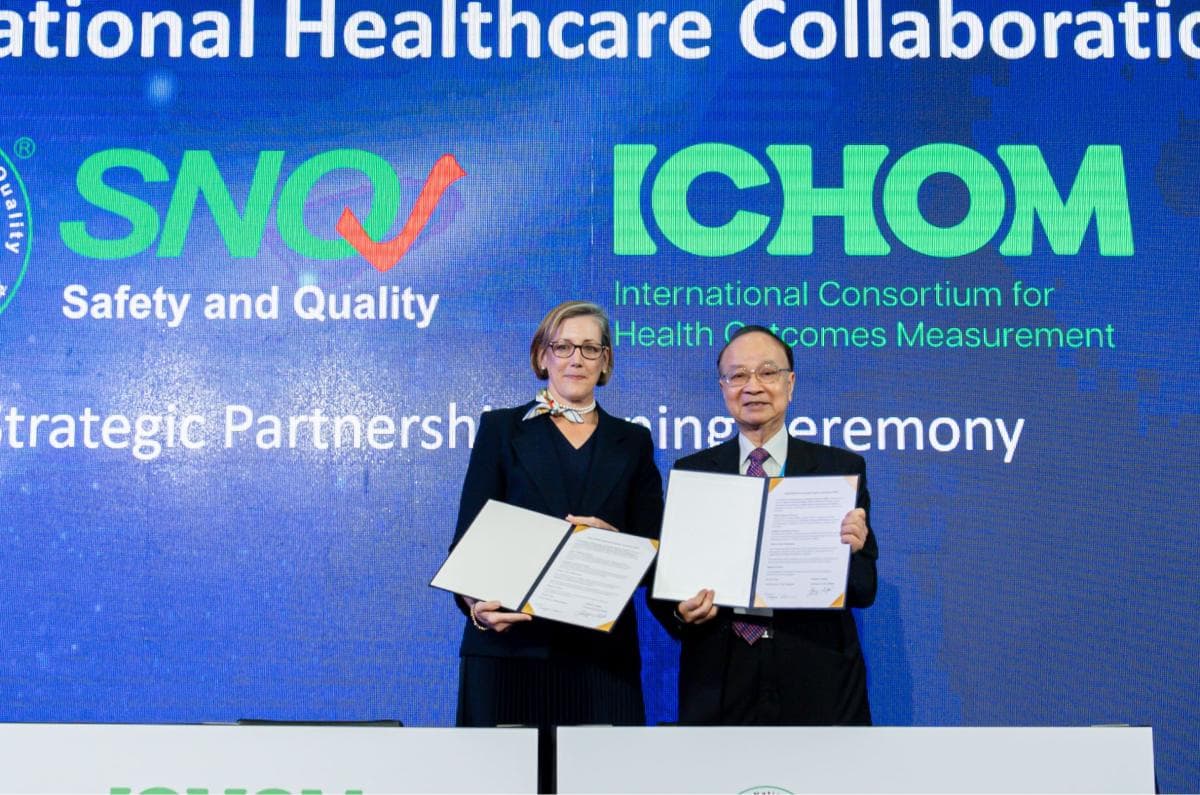
Taiwan’s SNQ National Quality Mark (SNQ) and the International Consortium for Health Outcomes Measurement (ICHOM) signed a strategic partnership agreement at SNQ’s Asia-Pacific Healthcare Quality Conference, marking a major step in positioning Taiwan more firmly within the global healthcare quality framework.
The agreement was signed by Wei-Chao Chen, Chief Convener of the SNQ Review Committee, and Jennifer L. Bright, chief executive officer of ICHOM, during the conference titled “Advancing Quality through Technology, Smart Innovation, and Data.”
Wei-Chao Chen noted that over the past 28 years, Taiwan’s healthcare sector has continuously strengthened its quality and patient-safety standards through the SNQ National Quality Mark framework, in alignment with global best practices. He added that the partnership with ICHOM will extend SNQ’s proven evaluation experience and methodology to healthcare systems worldwide, offering a practical reference model while elevating the global visibility of SNQ-certified clinical teams.
Taiwan's biotech industry began to flourish in the late 1990s, leading to an influx of products and services into the market. Many of these claimed therapeutic benefits, despite a lack of scientific evidence.
The absence of an independent gatekeeping body made the safety and quality of healthcare products and services a major concern for consumers. It was against this backdrop that the SNQ was established.
Since 1998, SNQ has certified more than 2,900 medical services and products and has awarded about 20 National Biotechnology and Medicine Care Quality Gold Awards to world-leading Taiwanese clinical teams. Awarded fields include liver transplantation, craniofacial reconstruction, atrial fibrillation ablation, intestinal transplantation and reconstruction, oral cancer treatment, and precision medicine for hypokalemia.
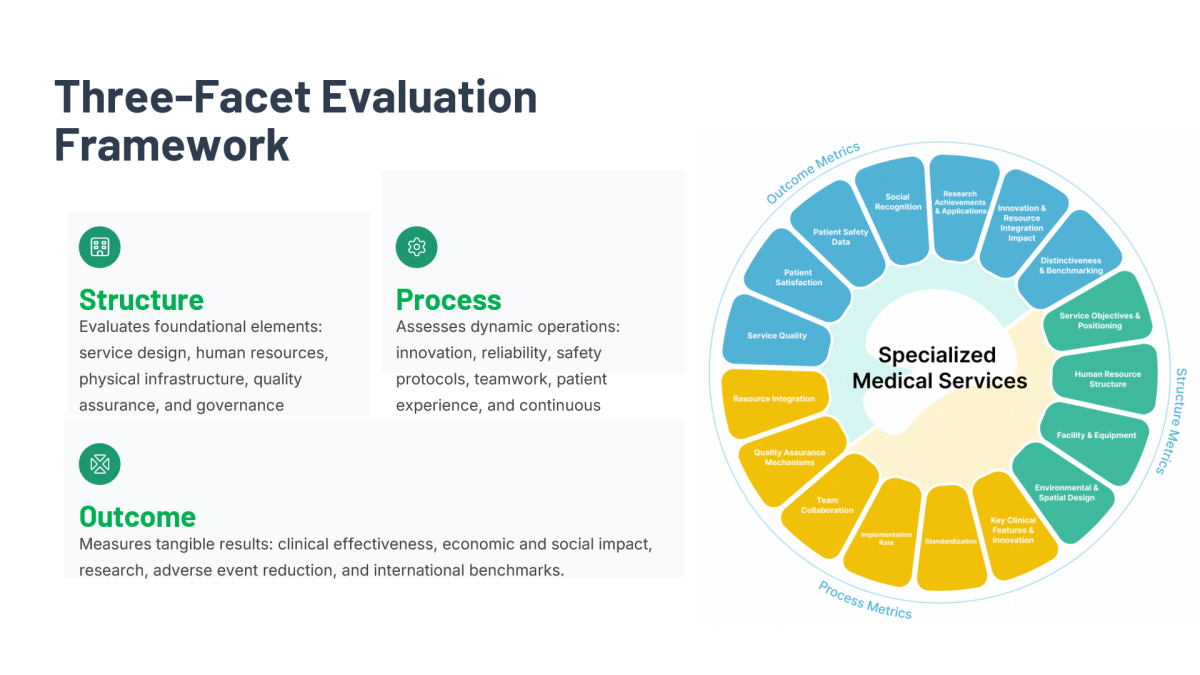
Deh-Ming Chang, Co-Chair, SNQ Committee, said the review committee brings together more than 160 medical center presidents and clinical experts. Using an evaluation framework based on the internationally renowned Structure, Process, and Outcome, the committee selects the most innovative and impactful medical treatment solutions and healthcare teams.
The evaluation system uses a 100-point scale, with Structure accounting for 10 percent, Process 45 percent, and Outcome another 45 percent. Based on overall performance, awards are conferred at three levels: Bronze, recognizing contributions of national significance. Silver, honoring achievements capable of leading the Asia-Pacific region. Gold, reserved for teams regarded as global benchmarks.

The Medical Quality Mark that Shapes Global Clinical Guidelines
As Taiwan’s medical technologies continue to advance, a growing number of SNQ-certified teams have gained international visibility, some even influencing global clinical guidelines.
Among these examples, the oral cancer team at Linkou Chang Gung Memorial Hospital, certified by SNQ, achieved the world’s highest five-year survival rate and went on to shape international treatment standards, prompting revisions to tumor staging by the American Joint Committee on Cancer (AJCC).
The genetic medicine team at National Taiwan University Hospital developed the world’s first gene therapy for AADC deficiency, or deficiency in aromatic L-amino acid decarboxylase. The innovation received marketing approval from the European Medicines Agency.
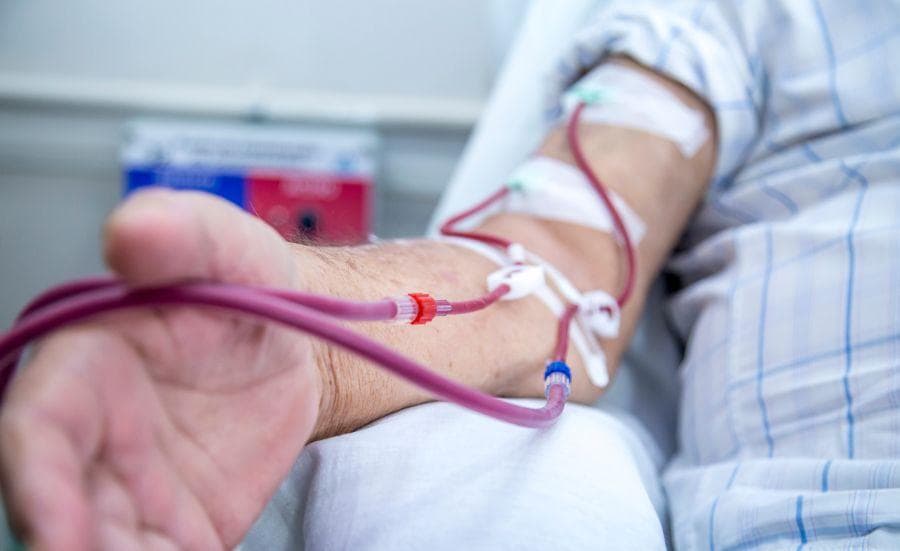
A far-infrared vascular therapy developed by Taipei Veterans General Hospital has been incorporated into clinical guidelines by nephrology societies in both the United States and Europe.
Smart healthcare has emerged as a defining area of growth for SNQ-recognized clinical teams, reflecting how the SNQ framework is accelerating digital transformation and measurable care innovation.
In Newsweek’s World’s Best Smart Hospitals 2026 rankings, 13 Taiwanese hospitals were listed, including Taichung Veterans General Hospital, which ranked No. 85 globally and placed among the world’s top 100. The hospital’s AI early-warning system, Zoe, built on the country’s largest critical-care database, has also been honored with the SNQ National Biotechnology and Medicine Care Quality Award at the Silver level, underscoring the role of SNQ in advancing high-impact smart care models.
SNQ Explores New Frontiers with Global Partners
Under the collaboration framework, SNQ and ICHOM will jointly assist healthcare institutions in adopting patient-reported quality assessment mechanisms. The partnership aims to incorporate patients’ subjective experiences into medical quality assessment and translate those perceptions into quantifiable healthcare quality indicators. SNQ, a medical quality mark originally developed in Taiwan, has now become ICHOM’s first partner in Asia.
The collaboration reflects the growing prominence of Patient-Reported Outcome Measures (PROMs) as a global benchmark for evaluating healthcare quality. PROMs, promoted by ICHOM, have already been adopted by medical facilities throughout the world.
In addition, Newsweek has formally included PROMs as one of the parameters in the World’s Best Hospitals ranking criteria, underscoring the increasing weight placed on patient-centered outcomes in global hospital quality evaluations.
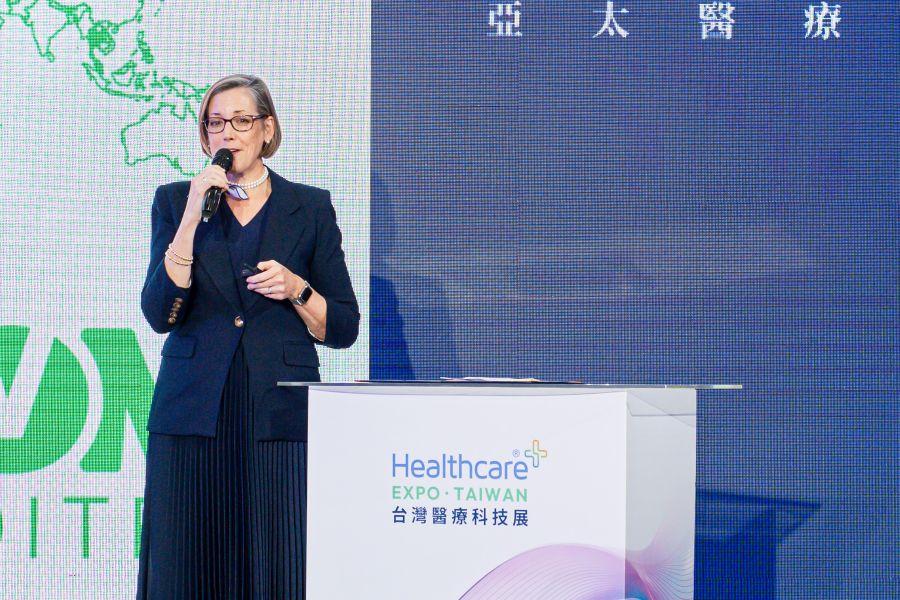
Leading Global Hospitals Gather in Taiwan to Discuss New Healthcare Quality Trends in the AI Era
Held alongside the 2025 Healthcare+ Expo, the Asia-Pacific Healthcare Quality Forum convened global medical leaders and healthcare executives to explore how artificial intelligence and data-driven innovation are reshaping healthcare quality worldwide.
The forum featured Harvard Medical School Professor David Bates, a member of Newsweek’s World’s Best Hospitals rankings committee, as well as representatives from the World Medical Association and the European Union of Private Hospitals. Delegates also included leaders from top-ranked institutions such as The University of Tokyo Hospital, Singapore General Hospital, and Stanford University.
Senior leaders from major medical centers—including Taichung Veterans General Hospital, Taipei Veterans General Hospital, National Taiwan University Hospital, Tri-Service General Hospital, China Medical University Hospital, and Taipei Municipal Guandu Hospital—also participated in the discussions.
Together, participants examined the opportunities and risks of clinical AI adoption and discussed how patient-centered outcome measurement can strengthen quality governance and improve long-term health system performance.